
High Stress = Low Brain Choline?
What a neuroscience paper taught me about periodising nutrition.

I always found this strange.
High Performance Coaches would periodise their athletes training loads - hard weeks, medium weeks and de-load weeks.
Even novice coaches are taught this (it’s a major part of the ASCA Level 1 course).
Yet, when it came to recovery, the same detail of periodisation wasn’t applied.
Coaches seem to recognise their athletes will accommodate to the training load… but seem to forget they will also accommodate to the recovery stimulus.
We see a similar thing in performance nutrition.
It’s as if athletes require the exact same support during:
deload weeks
exams
travel
relationship stress
heavy competition blocks
periods of poor sleep
emotionally stressful periods
We intuitively accept training load changes physiological demand.
Yet supplementation is often discussed as if requirements remain identical year-round.
This never made much sense to me.
If you periodise almost everything:
volume
intensity
conditioning
technical work
recovery
exposure to stress
Why wouldn’t nutritional demand fluctuate too?
Stress & Choline
As mentioned previously, I started noticing some of the best performance ideas came from outside traditional sports science.
And recently I came across an interesting neuroscience paper looking at anxiety disorders and brain chemistry.
Researchers found reduced levels of choline-containing compounds in cortical brain regions and suggested chronic arousal may increase the brain’s metabolic demand for choline compounds.
In other words, our brains seem to use more choline during periods of high stress.
High stress/anxiety = Low brain choline
(We already know the benefits of choline include helping older adults increase both strength & muscle).
As a Coach, one of my first questions is how can I use this info?
Do I suggest supplementation?
Well, the authors suggest:
Further studies… including the possibility of therapeutic benefit from appropriate choline supplementation.
So right now there isn’t strong evidence that supplementing choline is going to improve your athlete’s cognitive/emotional abilities during these periods of high stress.
Ok… But I am a practitioner, not an academic.
I’d prefer not to wait 10 years for the peer-reviewed, double-blind, human control study to come out if there is something safe and effective I can use right now.
Start with Whole Foods
Before introducing a choline supplement, my starting point is: whole foods.
And both egg yolk and beef liver are high in choline.
(First option might be an easier sell than the second : )
Once those boxes are ticked (or at least, tried), we can explore supplementation:
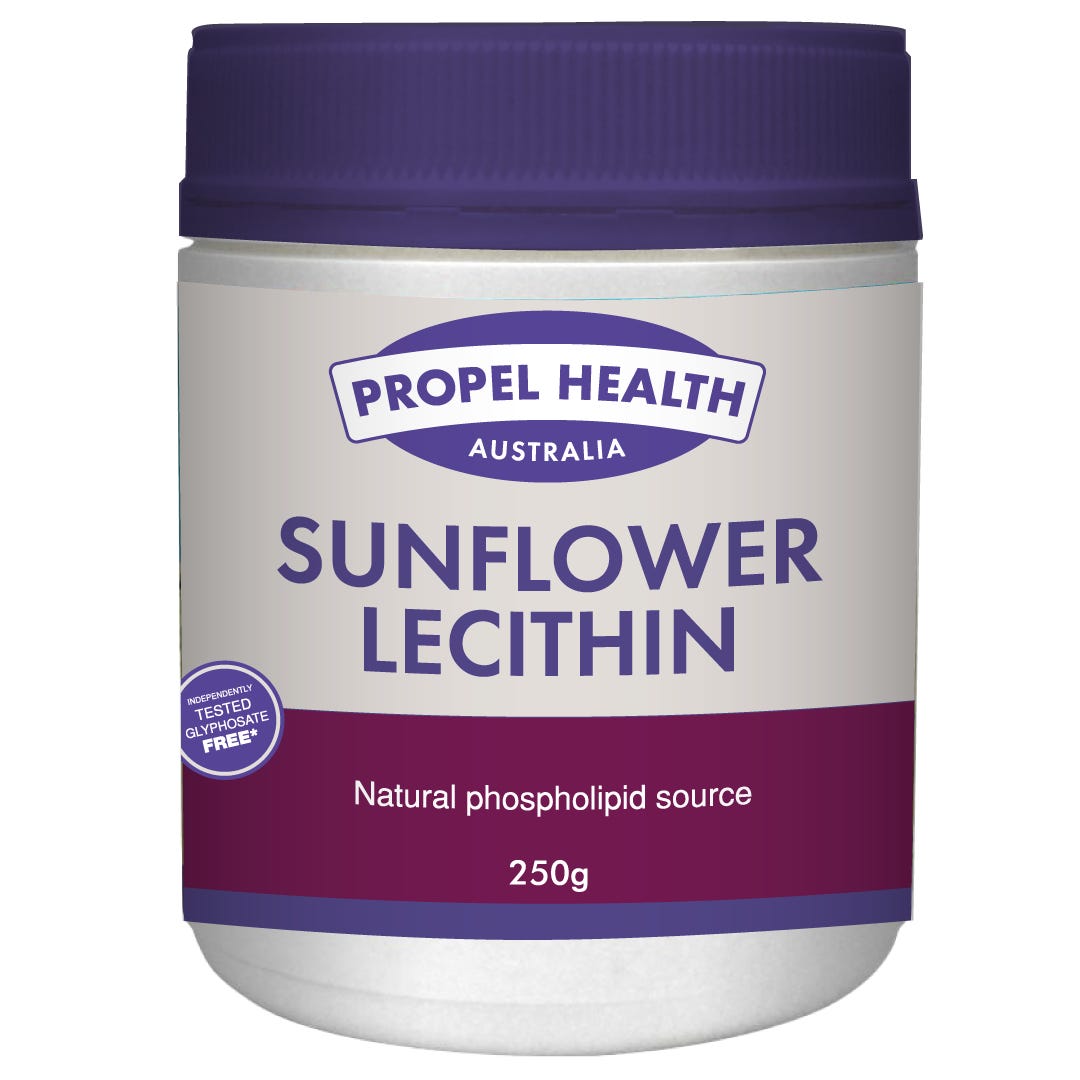
(Not soy lecithin.)
Sunflower Lecithin naturally contains phosphatidylcholine, one of the major choline-containing phospholipids found in our brains.
It’s a powder and can easily be mixed into smoothies or sprinkled on food.
And I wouldn’t feel the need to supplement all year with it… Just during the high stress periods.
Take Home Message
The bigger lesson here isn’t about choline.
It’s about periodisation.
During periods of elevated stress, (e.g. exams, travel, relationship issues, poor sleep, financial pressure or a demanding competition schedule) physiological, psychological and nutritional demand changes.
Support should be matched to demand… Periodisation isn't just for training.
Chat soon,
Grant